
Registering a vehicle in California as an out-of-state resident involves establishing residency, smog checks for older vehicles, gathering essential documents, creating a DMV account online, inputting vehicle details, and paying fees. Quick Auto Tags offers specialized assistance. The process includes order tracking and navigating potential issues with payments or documents. Understanding California DMV out-of-state registration FAQs is crucial for a successful transition.
In today’s fast-paced world, navigating vehicle registration can be a cumbersome task, especially for those living or traveling outside of California. The process often involves lengthy lines and bureaucratic hurdles at the DMV, causing frustration and wasting valuable time. To address this common pain point, this article guides you through the streamlined solution: ordering replacement license plates and registration cards online in California. By utilizing the state’s official resources and understanding the California DMV out-of-state registration FAQs, you can efficiently manage your vehicle documentation from the comfort of your home, revolutionizing a traditionally tedious process.
- Eligibility: Understanding Out-of-State Registration in California
- Gather Required Documents: A Step-by-Step Guide
- Online Application Process: Where to Start
- California DMV Out of State Registration FAQs Answered
- Payment Options: Securely Pay for Your Plates and Cards
- Tracking Your Order: Updates and Delivery Times
- Common Issues and Troubleshooting: What to Do If Things Go Wrong
Eligibility: Understanding Out-of-State Registration in California
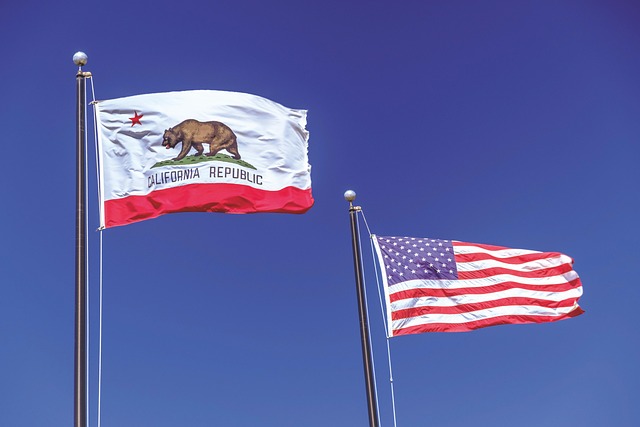
If you’re an out-of-state resident looking to register your vehicle in California, navigating the process can seem daunting. The California DMV out of state registration FAQs address common concerns but often leave room for confusion. Key to understanding this process is recognizing that California’s requirements for out-of-state car registration and smog checks vary based on individual circumstances. For instance, if you’ve recently moved to Riverside from another state, the local DMV will guide you through specific procedures.
California allows non-residents to register their vehicles, but there are distinct steps involved compared to in-state registrations. Unlike some other states, California doesn’t offer a direct path for out-of-state registration at its DMV offices. Instead, residents must first establish a California address or prove temporary residency through documentation like hotel receipts or rent agreements. Once established, individuals can obtain a California driver’s license and register their vehicles accordingly. This two-step process ensures that only those with genuine ties to the state gain full access to its road networks.
The smog check requirement for out-of-state cars entering California is another critical aspect. Vehicles over 10 years old or those not complying with California’s emissions standards typically need a smog check when registered. This rule applies regardless of whether you’ve purchased the car within the state or brought it from another place, such as your home state. Examples of vehicles that might require a smog check include older models or those without modern emission control systems. It’s essential to be aware of these out-of-state car smog check requirements before proceeding with registration.
For a hassle-free experience, consider using specialized services like Vehicle registration made easy with Quick Auto Tags. These professionals streamline the process by handling paperwork, smog checks, and title transfers, ensuring compliance with California DMV out of state registration guidelines. By leveraging their expertise, you can avoid common pitfalls and navigate this complex procedure with confidence.
Gather Required Documents: A Step-by-Step Guide

Before you begin the online process for replacing license plates or registration cards in California, it’s crucial to gather all necessary documents. This step-by-step guide will help you navigate the requirements efficiently. First, collect your vehicle’s current registration and title documentation, which can usually be found in your car’s glove compartment or through previous records. Ensure these documents are from the most recent state where your vehicle was registered. If you’ve just purchased a car out of state, remember to bring along proof of purchase as well.
Next, prepare personal identification documents such as a valid driver’s license or state-issued ID card. California DMV out of state registration FAQs often emphasize the importance of these documents for verification purposes. Additionally, gather any other required forms specific to your situation, like a Bill of Sale if applicable. For Riverside DMV out of state registration, it’s recommended to check their official website for the latest forms and requirements.
Now, let’s talk about payment options. Quick Auto Tags offers various quick and secure payment methods, ensuring a seamless experience. You can typically pay online using a credit card or debit card. Alternatively, some counties in California may accept money orders or checks as well. Out of state car registration fees vary depending on your vehicle type and time of year, so be sure to consult the official California DMV website for current rates. It’s advisable to compare these costs with other service providers, like Quick Auto Tags, to ensure you’re getting a fair deal.
Online Application Process: Where to Start

If you’re an out-of-state resident looking to register your vehicle in California, navigating the process can seem daunting. However, the California DMV offers a streamlined online application process that simplifies out-of-state car registration. To begin, visit the official California DMV website, where you’ll find dedicated resources for out-of-state registrations, including detailed FAQs to guide you through every step.
The first order of business is gathering all necessary documents and information. This typically includes proof of identity, proof of residency in California, and documentation related to your vehicle, such as the certificate of title or a bill of sale. Once you have these prepared, log into your account on the DMV website or create one if you don’t already have one. The online platform will walk you through each section, ensuring all requirements are met before proceeding to the payment stage. You’ll need to input your vehicle’s details, including its make, model, year, and current registration information from your home state. This step is crucial for verifying your out-of-state car fees in California accurately.
After completing the application, you can expect a straightforward approval process. The DMV will review your documents and verify their authenticity before issuing your new California registration card and license plate. For those located in regions like Riverside or other areas outside of major cities, online registration offers a convenient alternative to visiting a local DMV office. This method not only saves time but also eliminates the hassle of navigating busy offices during peak hours. Consider using specialized assistance, such as Quick Auto Tags, for an even smoother process, ensuring your out-of-state car registration is completed efficiently and accurately.
California DMV Out of State Registration FAQs Answered

Many out-of-state residents new to California wonder about the process of registering their vehicles within the Golden State. This is a comprehensive guide to answering frequently asked questions (FAQs) specifically tailored to California’s Department of Motor Vehicles (DMV) out-of-state registration procedures.
One common query is whether it’s possible to obtain new license plates for an out-of-state car and still register it in California. The answer is a resounding yes. When you register your vehicle with the DMV, they will issue you new California license plates regardless of where the vehicle was previously registered. This includes out-of-state car stickers, ensuring your compliance with local regulations. Another frequently asked question pertains to smog requirements. If your vehicle meets California’s environmental standards, it can pass smog inspection 1-3 times within a specific timeframe, facilitating a smoother registration process.
For those considering long-term residency or ownership of a second vehicle from another state, understanding the DMV out-of-state registration process is crucial. Quick Auto Tags offers expert support to streamline this transition, ensuring you meet all requirements efficiently and accurately. By providing clear answers to these FAQs, individuals can confidently navigate California’s DMV procedures, making the process of registering an out-of-state vehicle less daunting.
Payment Options: Securely Pay for Your Plates and Cards
When ordering replacement license plates or registration cards online through the California DMV out of state registration process, understanding your payment options is crucial for a smooth experience. The California DMV offers several secure and convenient payment methods to accommodate residents who need to register their out-of-state vehicles. This ensures that quick auto tags payments for both new plates and fee updates can be processed efficiently.
For your convenience, the DMV allows you to pay using major credit cards such as Visa, Mastercard, and American Express. This is particularly useful when dealing with unexpected car fees in California, whether it’s for an out-of-state vehicle or a recently purchased one. Additionally, some residents may prefer the speed and reliability of e-wallets like PayPal, which can also be used during the online registration process.
Another popular option is to utilize Quick Auto Tags as your payment gateway. Fast and reliable auto registration services like theirs are designed for out-of-state car owners looking for a straightforward solution. By choosing Quick Auto Tags, you gain access to efficient and secure transaction methods, ensuring that your California DMV out of state registration FAQs are answered quickly and accurately.
Remember, the key is to select a payment option that aligns with your comfort level and availability. Whether it’s credit cards, e-wallets, or specialized auto registration services, having multiple choices allows you to navigate the process effortlessly, especially when dealing with dmv out of state car fees in California.
Tracking Your Order: Updates and Delivery Times

Tracking Your Order is a crucial step in navigating the process of replacing license plates and registration cards for out-of-state vehicles in California. The California DMV offers several methods to monitor the status of your order, ensuring transparency throughout the entire process. You can check the progress online through their dedicated website, which provides real-time updates on your request’s handling. This includes information on when to expect your new plates and registration documents, eliminating any uncertainty.
For those who prefer a more direct approach, the DMV also allows you to contact their customer service team directly. Their representatives are well-versed in out-of-state car registration procedures and can provide specific updates related to your order. This personalized assistance is especially beneficial when dealing with unexpected delays or complex emissions compliance issues in California, which may arise during the registration of non-resident vehicles.
It’s worth noting that out-of-state car registration fees vary depending on factors such as vehicle type and age. Quick Auto Tags can streamline this process, offering an Easy DMV process for out-of-state cars with transparent pricing structures. For instance, new license plates for out-of-state vehicles typically cost around $50, while additional fees may apply for dmv emissions compliance in California, especially for older models. By tracking your order diligently and understanding these associated costs, you can ensure a smoother transition when registering your vehicle in the Golden State.
Common Issues and Troubleshooting: What to Do If Things Go Wrong

When navigating the process of replacing license plates or registering an out-of-state vehicle in California, various challenges can arise—from technical glitches to paperwork predicaments. Understanding these common issues and having a strategic approach can significantly streamline your experience. One key resource to rely on is the California DMV’s comprehensive online services, which offer many benefits, including 24/7 accessibility. However, even with this technology in place, problems may still occur, from failed payment transactions to missing documents.
For instance, if you’re encountered with a “payment failed” message while attempting a quick auto tags payment option, several troubleshooting steps can help resolve the issue. Check your internet connection and ensure your financial institution hasn’t blocked the transaction. The California DMV also provides FAQs tailored for out-of-state registration, offering guidance on common payment problems and their solutions. Moreover, if you’ve successfully completed all steps but still face issues with document submission, verify that all required forms are attached and in the correct format, as data inconsistencies can cause delays or rejections.
Another challenge could involve smog testing for out-of-state cars. Ensuring your vehicle meets California’s emissions standards is crucial. In such cases, consult local regulations and certified testing stations. It’s also beneficial to stay informed about new license plate requirements, especially when registering an out-of-state car for the first time. Remember, fast and reliable auto registration services like Quick Auto Tags can provide invaluable assistance, ensuring you meet all criteria efficiently. By being prepared with accurate documentation, understanding the process, and knowing where to seek help, you’ll navigate these potential hurdles with greater ease.
By following the detailed steps outlined in this article, you now possess the knowledge to navigate the process of replacing license plates and registration cards for your out-of-state vehicle in California efficiently. The key takeaways include understanding eligibility criteria, gathering essential documents, mastering the online application process, and familiarizing yourself with common issues and troubleshooting tips. Additionally, utilizing the comprehensive California DMV Out of State Registration FAQs ensures you’re well-prepared to address any uncertainties that may arise. Armed with this information, you can confidently manage your registration needs, ensuring a smooth experience when ordering replacement plates and cards online.

