
Registering a car bought out of state in California involves gathering essential documents, verifying vehicle compliance (including smog tests), and submitting paperwork online or at a DMV office. Quick Auto Tags offers support. Key steps include:
1. Gather docs like title, insurance, ID.
2. Check emissions requirements for your vehicle.
3. Complete CA Vehicle Registration Application.
4. Pay registration fees based on vehicle type.
5. Schedule a DMV appointment (online or phone).
6. Maintain regular smog checks and updates.
Use California DMV out of state registration FAQs for guidance throughout the process.
Registering a car bought out of state in California can be a confusing process, but it’s a crucial step to ensure legal compliance and smooth driving. Many new car owners face the challenge of navigating the California DMV’s out-of-state registration requirements, often riddled with FAQs and nuanced rules. This article serves as your authoritative guide, breaking down complex procedures into simple, actionable steps. By the end, you’ll be equipped to efficiently complete the process, ensuring your vehicle is legally registered and ready for California’s roads.
- Understanding Out-of-State Vehicle Registration in California
- Gather Required Documents for CA Registration
- Complete the CA Vehicle Registration Application
- Calculate and Pay Registration Fees
- Schedule a DMV Appointment for New Registrant
- Verify and Maintain Your California Vehicle Registration
Understanding Out-of-State Vehicle Registration in California
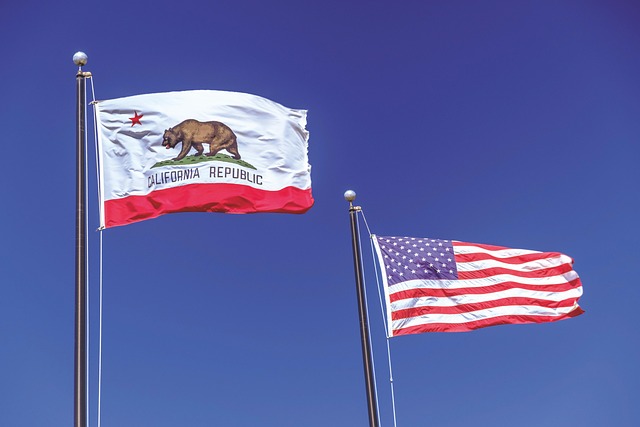
Registering a car bought out of state in California can seem daunting, but with clear understanding and the right approach, it’s a straightforward process. The California Department of Motor Vehicles (DMV) provides guidelines for out-of-state registration, making it easier than ever to ensure your vehicle complies with local laws. A common misconception is that transferring registration involves extensive paperwork; however, the DMV has streamlined this process, especially through services like Quick Auto Tags.
The first step is to gather essential documents, including proof of ownership, out-of-state title, and valid car insurance. It’s crucial to verify that your vehicle meets California’s safety and emissions standards before attempting registration. Once prepared, you can initiate the registration process online or at a DMV field office. During submission, you’ll need to provide information about your car, such as make, model, and year, along with personal details. One key consideration is understanding the car insurance requirements for registration in California; ensure your policy covers both your primary residence and the state where the vehicle was purchased.
After submitting the required DMV paperwork for out of state cars at Quick Auto Tags or a designated office, you’ll typically receive a temporary registration permit. This allows you to legally operate your vehicle while the final registration is processed, usually within a few weeks. Throughout this process, Quick Auto Tags offers convenient payment options, including cash, card, and online payments, ensuring a smooth experience for quick auto tags out of state car owners. Remember, adhering to these steps not only ensures legal compliance but also allows you to quickly integrate your new vehicle into California’s road network.
Gather Required Documents for CA Registration

Registering a car bought out of state in California involves gathering crucial documents to ensure a smooth process. The California DMV offers detailed guides and FAQs to help residents navigate this procedure. Key documentation includes the vehicle’s title, proof of insurance, and a valid driver’s license. Additionally, you’ll need a completed Out of State Vehicle Registration Application (Form REG-154). It’s essential to check if your out-of-state car needs a smog test; California has specific requirements, especially for older models or non-hybrid vehicles.
Car insurance is another critical aspect; ensure you have the appropriate coverage as per California’s minimum requirements. Out of state car registration support from services like Quick Auto Tags can streamline this process, providing expertise to help residents avoid common pitfalls. Remember, accurate documentation and adherence to smog check regulations are vital steps in successfully registering your out-of-state vehicle in California.
Complete the CA Vehicle Registration Application

Registering a car bought out of state in California can be a straightforward process with the right guidance. Once you’ve completed the necessary paperwork and met specific requirements, such as passing an emissions test (smog check), the next step is to fill out the CA Vehicle Registration Application form. This form is crucial for officially changing the vehicle’s registration from another state to California. You can obtain this application at any California Department of Motor Vehicles (DMV) office or download it from their official website, making it readily accessible for all residents and visitors alike.
When completing the application, ensure that you provide accurate and up-to-date information regarding your vehicle’s details, including its make, model, year, and current mileage. Additionally, you’ll need to include proof of identity and residency, such as a valid driver’s license or state ID card, along with any applicable fees. The California DMV offers several payment methods, making it convenient for out-of-state car owners to register their vehicles quickly. Once all the necessary documents are submitted, the DMV will process your application and issue a new registration certificate, updating your vehicle’s status in the state.
For those looking for a swift and efficient solution, Riverside offers specialized services like Quick Auto Tags, which cater to out-of-state car registration needs. Their expertise lies in guiding clients through the entire process, including the completion of paperwork and handling smog tests (if required), ensuring a seamless transition for private vehicle owners. With their assistance, you can avoid potential delays and navigate the riverside out of state car registration process with ease, saving you valuable time and effort.
Calculate and Pay Registration Fees

Registering a car bought out of state in California involves several steps, with fee calculation being a crucial one. The process can seem daunting, but understanding the costs involved is an essential first step. In California, the Department of Motor Vehicles (DMV) charges registration fees based on various factors, including vehicle type and emissions compliance status. For vehicles imported from other states, you’ll need to determine if your car meets California’s emission standards, which are typically more stringent than federal requirements. This is a critical aspect, especially for older models, as failure to comply can result in additional fees or registration delays.
Quick Auto Tags, a leading provider of out-of-state auto registration services, recommends beginning with the DMV’s online resources and FAQs. The California DMV offers detailed information on its website regarding out-of-state registrations, including fee structures and necessary documentation. For instance, if you’re transferring an out-of-state title to your name in California, you’ll need to pay a base registration fee plus applicable taxes. These fees vary by vehicle type: cars and light trucks generally range from $50 to $200, depending on emissions compliance. Riverside, CA, residents may find the process smoother with nearby DMV offices or specialized services like Quick Auto Tags, which can expedite title transfers and registration, ensuring a hassle-free experience.
To calculate your exact fees, you’ll need to gather important documents, such as proof of ownership, vehicle identification number (VIN), and out-of-state title. Once prepared, you can visit a California DMV office or use their online services for registration. It’s advisable to check the dmv emissions compliance requirements for your vehicle model to avoid any unexpected delays or additional charges. By following these steps and staying informed about California’s specific regulations, you’ll be well on your way to successfully registering your out-of-state purchased car.
Schedule a DMV Appointment for New Registrant

Registering a car bought out of state in California involves several steps, with scheduling a DMV appointment for new registrants being a crucial one. The California Department of Motor Vehicles (DMV) offers several options to make this process smooth and efficient. Start by visiting the official DMV website to familiarize yourself with the requirements for out-of-state title registration. You’ll need to bring your vehicle’s title, proof of insurance, and identification documents. It’s also important to check if your out-of-state car needs a smog check; California has specific requirements that may vary based on the year and make of your vehicle.
To schedule your DMV appointment, you can do so online or by phone. The website provides an easy-to-navigate interface where you can select the type of service needed, choose a location, and find available time slots. It’s recommended to book appointments in advance to avoid long wait times, especially during peak seasons. During your visit, be prepared to provide additional documentation if required, such as proof of residency or previous registration records from another state. The DMV team will guide you through the process, ensuring all documents are in order before finalizing your registration.
If time is a concern, consider utilizing fast and reliable auto registration services like Quick Auto Tags. They offer streamlined solutions for out-of-state car registration, including title transfer, license plate issuance, and smog check certifications. With their expertise, you can complete the process quickly without compromising on accuracy. Remember, adhering to California DMV out of state registration FAQs and guidelines is essential to ensure a smooth transition during your appointment or when using alternative services.
Verify and Maintain Your California Vehicle Registration

After purchasing a vehicle out of state and bringing it to California, the next crucial step is verifying and maintaining your California vehicle registration. This process involves several key actions designed to ensure compliance with local regulations. First, you’ll need to register your vehicle with the California Department of Motor Vehicles (DMV). This can be done online or in-person at a DMV field office, often requiring original documents such as the title, out-of-state registration, and proof of insurance. Once registered, it’s imperative to pass a smog check for out-of-state cars in California. This inspection verifies that your vehicle meets state emissions standards, crucial for both environmental compliance and road safety.
The DMV offers detailed information on dmv emissions compliance in California through its website, addressing common out-of-state car registration questions. If your vehicle fails the smog check, you’ll need to address any necessary repairs before retesting. A reputable service like Quick Auto Tags can streamline this process, providing expert guidance and assistance with smog checks and registration updates. Regular maintenance is vital to keep your registration valid and avoid future issues. This includes timely renewal of your registration, which typically occurs annually, and ensuring all emissions-related components are in good working order. By adhering to these steps, you’ll smoothly navigate the dmv out-of-state car process in California, ensuring a legally registered and compliant vehicle for road use within the state.
Registering a car bought out-of-state in California is a straightforward process with clear, easy-to-follow steps. Key insights include gathering essential documents, completing the CA Vehicle Registration Application accurately, calculating and paying registration fees, scheduling an appointment at the California DMV, and verifying and maintaining your registration. The California DMV offers comprehensive out-of-state registration FAQs to address common concerns, ensuring a smooth transition for new California residents. By diligently following these steps, you can efficiently navigate the process and hit the roads legally and confidently in the Golden State.

