California DMV out-of-state registration FAQs simplify the process for individuals and businesses through specialized services like Quick Auto Tags in Riverside. Key insights include:
– Eligibility criteria: Non-residents can register if staying >180 days or not intending permanent residency.
– Steps: Gather documents, complete forms MV-5/MV-4, pay fees, obtain California plates within 30 days.
– Value proposition: Efficient registration saves time, avoids penalties, enhances driving experiences, and aligns with strict state regulations.
In today’s interconnected world, many Californians find themselves navigating the complexities of non-resident registration for their vehicles while living out of state. This process, often fraught with uncertainty, is further complicated by frequent updates to California DMV out of state registration FAQs. Understanding cost-effective options can save time and money, especially for those maintaining secondary residences or frequently commuting across state lines. This article cuts through the clutter, offering a comprehensive guide to uncover genuine, affordable solutions for CA non-resident registration, empowering individuals to make informed decisions.
- Understanding Out-of-State Registration in California
- Eligibility Criteria for Non-Resident Registration
- Step-by-Step Guide: CA DMV Out-of-State Registration
- Cost-Saving Tips and Common FAQs Answered
Understanding Out-of-State Registration in California
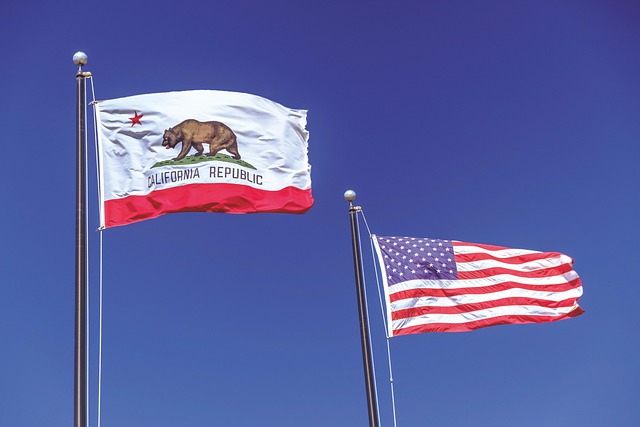
For individuals or businesses with vehicles registered in another state, navigating California’s out-of-state registration process can seem daunting. However, understanding the requirements and available options is key to ensuring compliance without breaking the bank. The California DMV offers several pathways for out-of-state vehicle registration, each with its own set of considerations and benefits.
One common approach is to utilize quick auto tags services, like Quick Auto Tags in Riverside, which specialize in streamlining this process. These companies can guide clients through the paperwork, ensuring accuracy and saving time. For instance, a business owner transferring a fleet from another state can benefit from their expertise in bulk registration, emissions compliance (a crucial aspect of California DMV out-of-state registration FAQs), and quick auto tags renewal. By partnering with such providers, businesses can avoid potential penalties and maintain legal compliance with California’s strict regulations.
The benefits of efficient out-of-state registration are multifaceted. It not only simplifies the transition for vehicle owners but also promotes a smoother driving experience within the state. Moreover, understanding the riverside dmv out of state registration process or any other regional variations can prevent unnecessary delays. As California continues to grow and attract visitors and residents from across the nation, embracing cost-effective and compliant solutions for auto registration becomes increasingly vital.
Eligibility Criteria for Non-Resident Registration

For individuals or businesses looking to register their vehicles in California as non-residents, understanding the eligibility criteria is essential. The California DMV out of state registration process involves several key requirements that must be met before applying for a California driver’s license and vehicle registration. One important aspect to note is that not all out-of-state residents are eligible for immediate registration; it depends on factors such as length of stay, purpose of visit, and ownership status of the vehicle.
The primary criterion involves establishing a temporary or permanent residency in California. The state defines non-residents as individuals who do not live in California but possess a valid driver’s license from another state. If you plan to remain in California for an extended period—typically defined as more than 180 days—you may be required to register your vehicle with the DMV. Additionally, if you are temporarily in California on business or leisure and own a car, you might still qualify for out-of-state registration, especially if you have no intent to establish permanent residency.
Another crucial factor is understanding the rules regarding dmv out of state car stickers in California. Vehicles registered in other states must display valid out-of-state vehicle stickers or plates to be legally operated within California. These stickers are typically valid for a specific period, after which they need to be renewed. Quick Auto Tags, known for their efficient dmv out of state car process, offer services that can facilitate this, ensuring you meet all the necessary requirements with minimal hassle. For instance, in Riverside, where tourists and visitors are common, Easy DMV process for out of state cars at Quick Auto Tags has become a preferred choice due to its streamlined approach to obtaining quick auto tags. The process involves providing essential documents, including proof of insurance, vehicle registration from your home state, and identification, which can be completed in as little as 1-3 business days, making it an efficient solution for those needing to navigate the dmv out of state car process.
Step-by-Step Guide: CA DMV Out-of-State Registration

Navigating California DMV out of state registration can seem daunting, but with a clear, step-by-step guide, you can streamline the process efficiently. Here’s a detailed breakdown to ensure success:
1. Gather Necessary Documents: Before heading to the California Department of Motor Vehicles (DMV), prepare all required documents. This typically includes your out-of-state driver’s license, vehicle registration from your home state, proof of insurance, and a valid, government-issued ID. If you’re transferring a title, don’t forget that as well. For instance, if you’re registering a vehicle from Riverside, ensure you have all these documents ready to avoid any delays.
2. Complete the Application: At the DMV, obtain Form MV-5 (Application for Out-of-State Driver’s License/ID Card) and Form MV-4 (Vehicle Registration Application). Fill them out accurately, providing details about your vehicle, including make, model, year, and VIN. If you’re new to California or transferring a plate from another state, this process will be smoother. Remember, accuracy is key to avoid further complications later.
3. Pay the Required Fees: California DMV charges specific fees for out-of-state registration, which vary based on your vehicle type. You’ll typically pay a registration fee and a title transfer fee if applicable. For private vehicle registration in Riverside, these costs can range from $50 to over $100 depending on various factors. It’s advisable to inquire about the exact amounts before proceeding to ensure you’re prepared.
4. Obtain Your California License Plate: Once your application is approved and fees are paid, you’ll be issued a new California license plate. If transferring plates from another state, you can typically keep your original plates until they expire. However, it’s essential to replace them with California-issued plates within a specified time frame, usually 30 days. For example, if you’re registering a car originally from out of state in Riverside, ensure those new license plates are displayed promptly after purchase.
For a hassle-free experience, consider using specialized private DMV registration services that can assist you through the process. Quick Auto Tags, for instance, offers convenient options for out-of-state car registration, ensuring you have all the necessary paperwork and knowledge to complete your transaction efficiently.
Cost-Saving Tips and Common FAQs Answered

Navigating California DMV out of state car registration can be a complex process, but there are numerous cost-saving tips to help make it more manageable for non-residents. Firstly, understanding the requirements early on is key; the California DMV outlines specific procedures and documents needed for out-of-state registration, ensuring a smoother transition. One efficient strategy is to utilize online resources and digital forms, which can expedite the process and reduce potential errors.
Many individuals also opt for third-party services, such as Quick Auto Tags, that specialize in these types of transactions. These services offer convenience and often provide competitive pricing, especially when compared to traditional DMV fees. For instance, Quick Auto Tags offers quick and easy registration solutions with multiple payment options, including one-time payments, making it a preferred choice for many out-of-state vehicle owners. Common FAQs, such as “How do I pay for out of state car registration in California?” or “What documents are required for quick auto tags riverside out of state?”, have detailed answers readily available online, allowing potential savers to prepare efficiently.
Another cost-effective approach is to consider the timing of your visit. During off-peak hours or specific days, DMV wait times can be significantly reduced, saving you from unnecessary expenses related to extended stay or transportation costs. By combining these strategies, individuals can effectively manage their finances while ensuring a successful California DMV out of state registration process.
By meticulously navigating the California DMV out-of-state registration process, individuals can secure cost-effective options for their non-resident needs. Understanding eligibility criteria is paramount, ensuring compliance with specific requirements. The step-by-step guide offers a straightforward approach, making the process accessible to all. Through practical tips and addressing common FAQs, this article equips readers with valuable insights, simplifying what was once a complex task. By leveraging these strategies, California residents can efficiently manage their out-of-state registration, saving time and money while adhering to state regulations.

